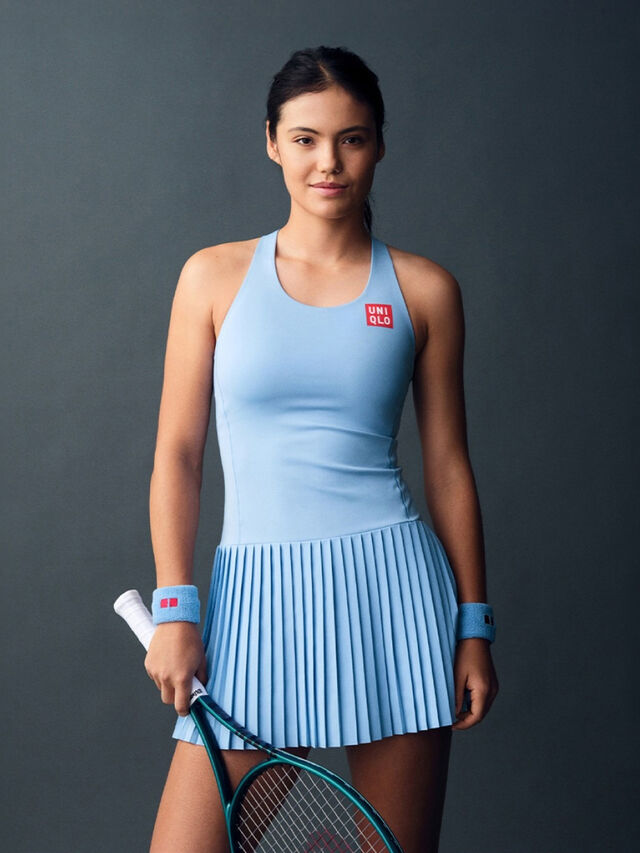
The “Emma Raducanu Story” is increasingly looking less like a sporting biography and more like a cautionary tale of the “overnight celebrity industrial complex.” Since that lightning-in-a-bottle moment in New York—where she became the first qualifier to win a Grand Slam—the narrative has shifted from her backhand to her brand deals. Insiders are whispering that the crushing weight of being a national icon has fractured her focus, with a rotating door of coaches and a string of mysterious injuries suggesting a player who is mentally and physically struggling to justify her own hype.
There is a growing tension between Raducanu’s polished Instagram persona and the brutal reality of the WTA tour. While she graces the covers of high-fashion magazines and signs multi-million dollar deals with Dior and Porsche, her ranking has fluctuated wildly, leaving fans wondering if the hunger for titles has been replaced by the comfort of “brand ambassadorship.” The “insider” speculation is rife: is she genuinely injured, or is the psychological pressure of living up to a 2021 ghost simply too much for a young star to bear?
As the 2026 season unfolds, the tennis world is watching a slow-motion collision between expectation and reality. Reputation is a fragile thing, and as the gap between her 2021 trophy and her current form widens, the “Sweetheart of British Tennis” risks becoming a footnote in history—a marketing phenomenon that happened to play a great three weeks of tennis. The question isn’t whether she can win again, but whether she still wants to.