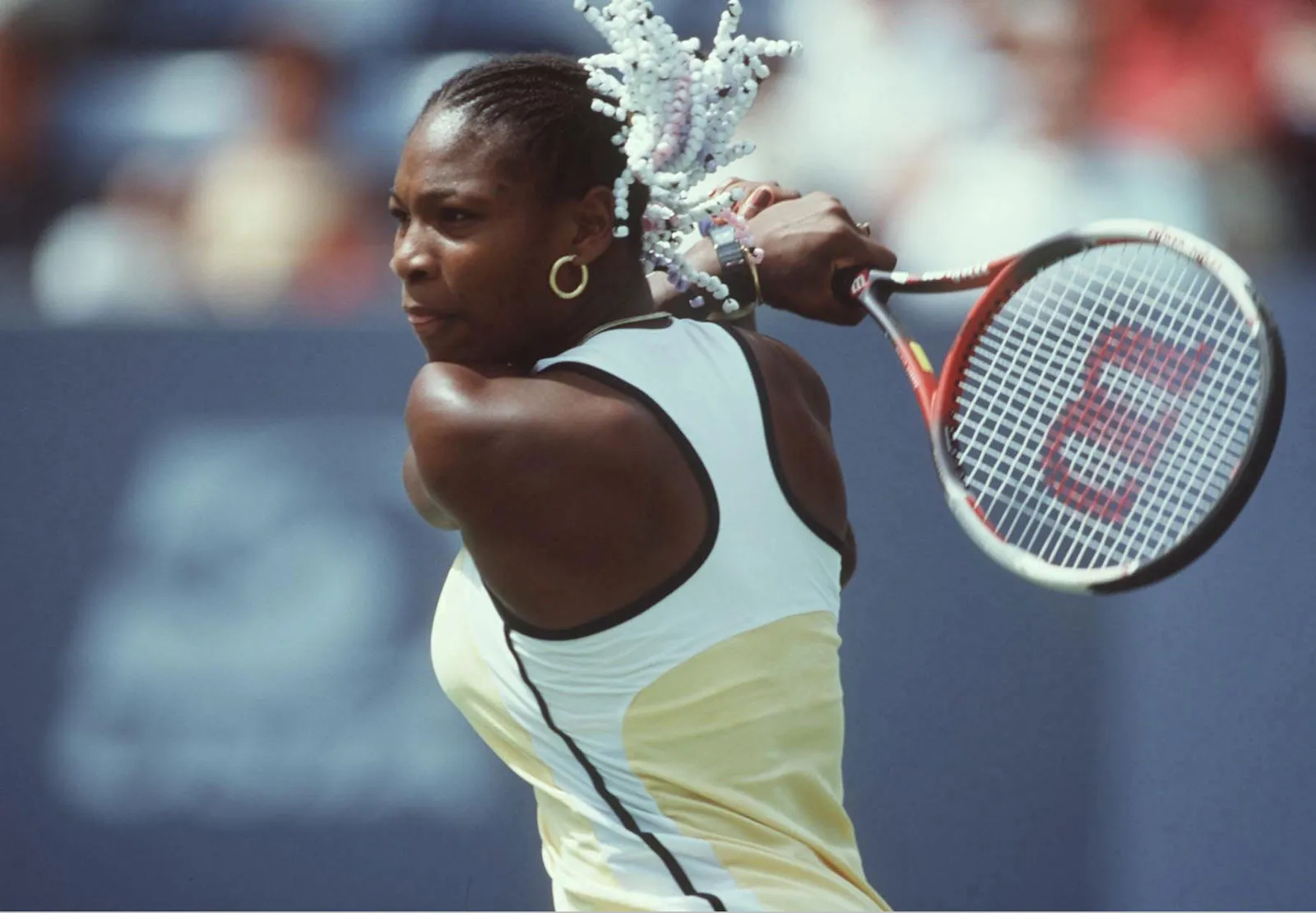
Serena Williams is no longer just “evolving away” from tennis; she’s actively orchestrating a comeback that feels more like a corporate merger than a sporting return. While her recent re-entry into the International Tennis Integrity Agency’s testing pool has the sports world on standby, insiders suggest the “comeback” is less about court time and more about marketing her new, leaner physique.
The 23-time Grand Slam champion has shed a reported 30 pounds, but the whispers in Palm Beach aren’t about her backhand—they’re about her husband’s investment in the telehealth company Ro and Serena’s blatant “shilling” of the very GLP-1 drugs that made her transformation possible.
The “Queen of the Court” is currently navigating a treacherous psychological minefield. On one hand, she’s posting heartfelt messages about self-acceptance and “ignoring the noise” of body shamers; on the other, she’s the face of a weight-loss revolution that critics argue betrays her lifelong brand of muscular empowerment.
This internal tug-of-war was on full display at a pre-Met Gala dinner in New York this week, where her “too-much” red slit dress was savaged by online trolls. The narrative is shifting from “Serena the Legend” to “Serena the Saleswoman,” and the tension is palpable: is she losing her grip on her identity in a desperate bid to remain the center of the fashion universe?
As 2026 unfolds, Williams seems more addicted to the “drama” than the sport itself. She denies comeback rumors one day, only to post coy, high-production practice videos the next. Whether she actually steps onto a court again is almost irrelevant; she’s successfully turned her retirement into a 24/7 reality show. But as the public begins to tire of the “will she/won’t she” routine, Serena is risking the one thing no Grand Slam could ever buy: her authenticity.