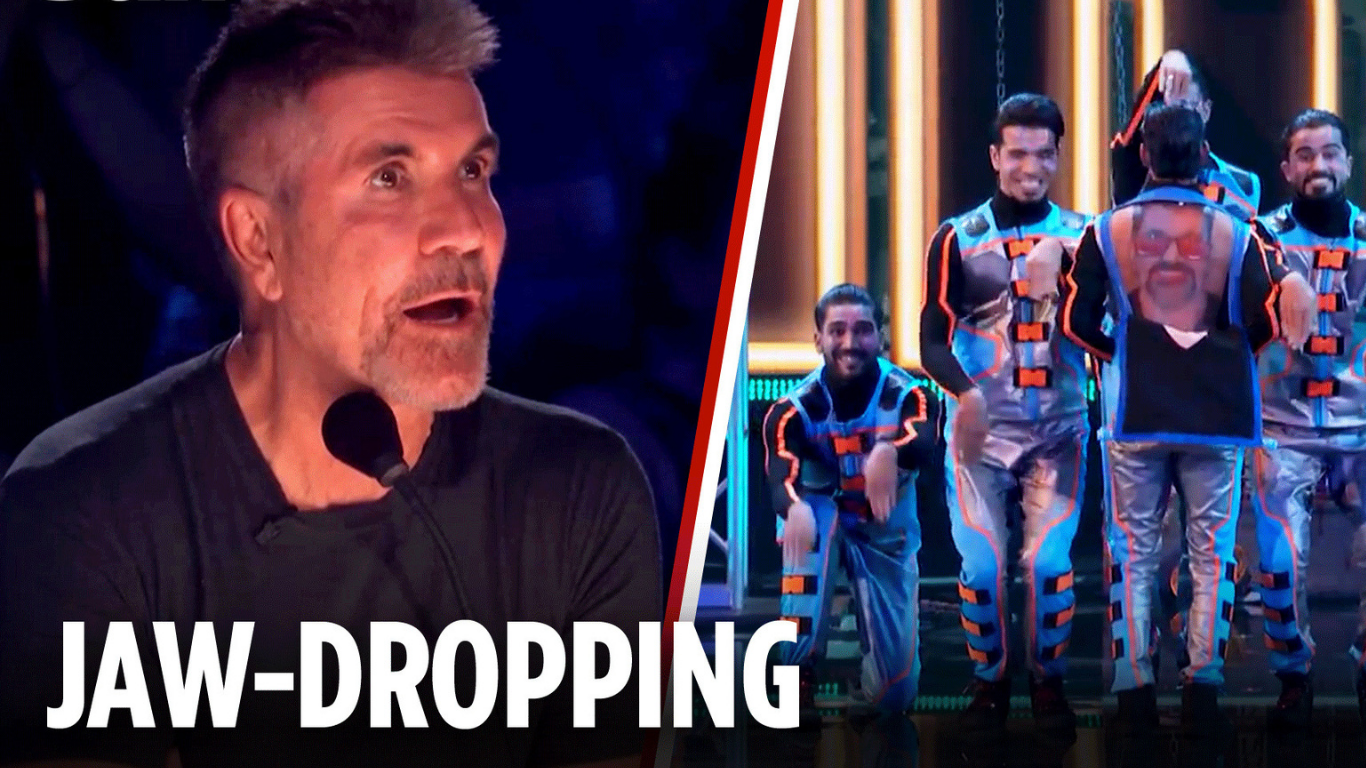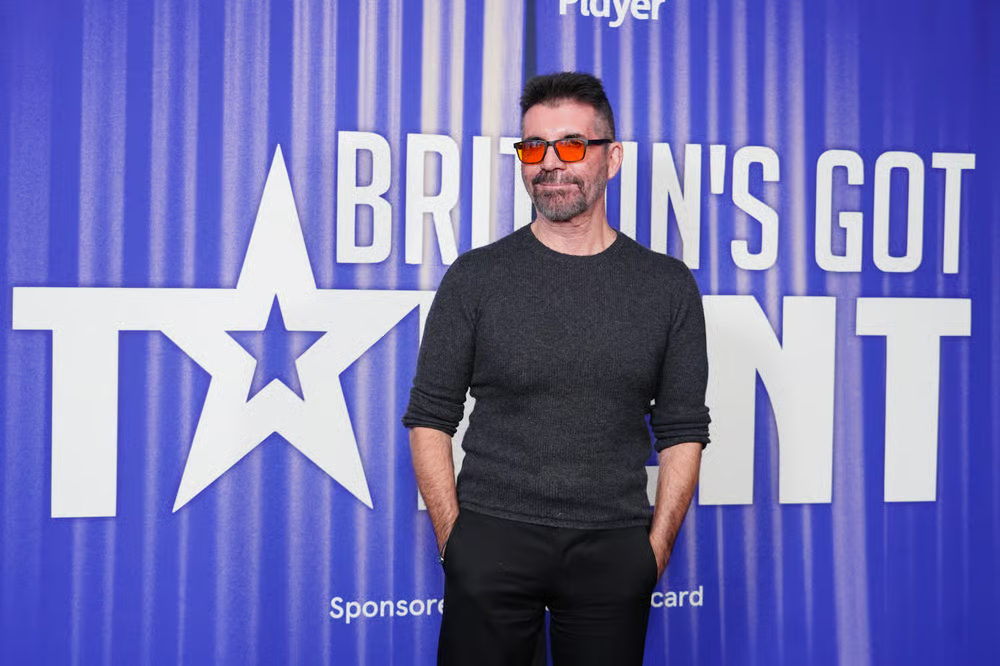
Simon Cowell is back, but the “benevolent kingmaker” routine is wearing thinner than his filtered blood. In his new Netflix venture, The Next Act, Cowell has traded the roaring crowds of Wembley for a desperate Gen Z press blitz, begging influencers for relevance while his team spirals into “crisis mode” over abysmal audition numbers. Insiders are whispering that the entire show—from the “staged” boardroom drama to the convenient “production pauses”—is a calculated vanity project designed to salvage a reputation currently stained by lawsuits and legacy backlash.
Behind the high-gloss production of his new band, “December 10,” lies a familiar, darker undercurrent. Despite his recent “apology tour” where he admitted to being a “d***” during the X Factor glory days, Cowell hasn’t truly changed his tune. He still subjects “interchangeable” teenagers to high-pressure executive meetings without a shred of media training, then mocks their immaturity when they fail to perform like seasoned pros. It’s a psychological gauntlet that smells less like star-building and more like an existential crisis for a man who can’t accept that the world has moved on from his brand of “synthetic peril.”
As the show struggles with lackluster reviews and accusations of being “monotonous,” the tension surrounding Cowell’s mental state is reaching a breaking point. Sources on set describe a man obsessed with “gut feelings” yet terrified of his own fading intuition. He’s risking everything on a group of seven boys whose debut single, “Run My Way,” is already being savaged by critics. This isn’t just a talent search; it’s a desperate gamble for immortality from a mogul who would rather burn his legacy to the ground than watch it fade into the background.