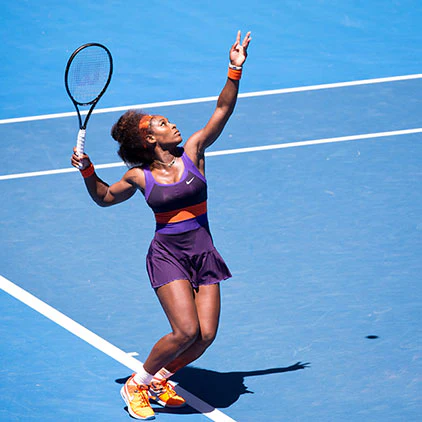
The shiny, Britannica-approved version of Serena Williams’ life paints a picture of a relentless champion, but behind the curtain of “greatness,” there is a far more turbulent story of a star who refused to go quietly into the night. Insiders have long whispered that Serena’s final years on the tour weren’t just about tennis; they were a desperate, high-stakes battle to maintain a crumbling empire while her body—and perhaps her mental resolve—began to betray her. The obsession with that elusive 24th Grand Slam became a weight that transformed her from a dominant force into a tragic figure, chasing a ghost that the sport wasn’t ready to let her catch.
Whispers from the inner circles suggest that the “evolution” away from tennis was less of a choice and more of a forced exit. As younger, faster players began to dismantle her aura of invincibility, the narrative shifted toward her “business ventures” and “cultural impact” to mask the reality of a legend losing her edge. The infamous outbursts on court and the constant friction with chair umpires were seen by many not just as passion, but as a symptom of a superstar who couldn’t handle the loss of control in an arena she once owned completely.
Even in retirement, the speculation refuses to die down. Is Serena truly content as a venture capitalist and mother, or is the itch for one last, dramatic comeback brewing in the shadows? Her reputation as a “disruptor” hasn’t faded, and there are those who believe her post-tennis life is just a carefully curated stage for her next big “explosion.” Whether she is truly at peace or simply waiting for the right moment to reclaim the headlines, the Queen of Court remains the most polarizing figure in sports history