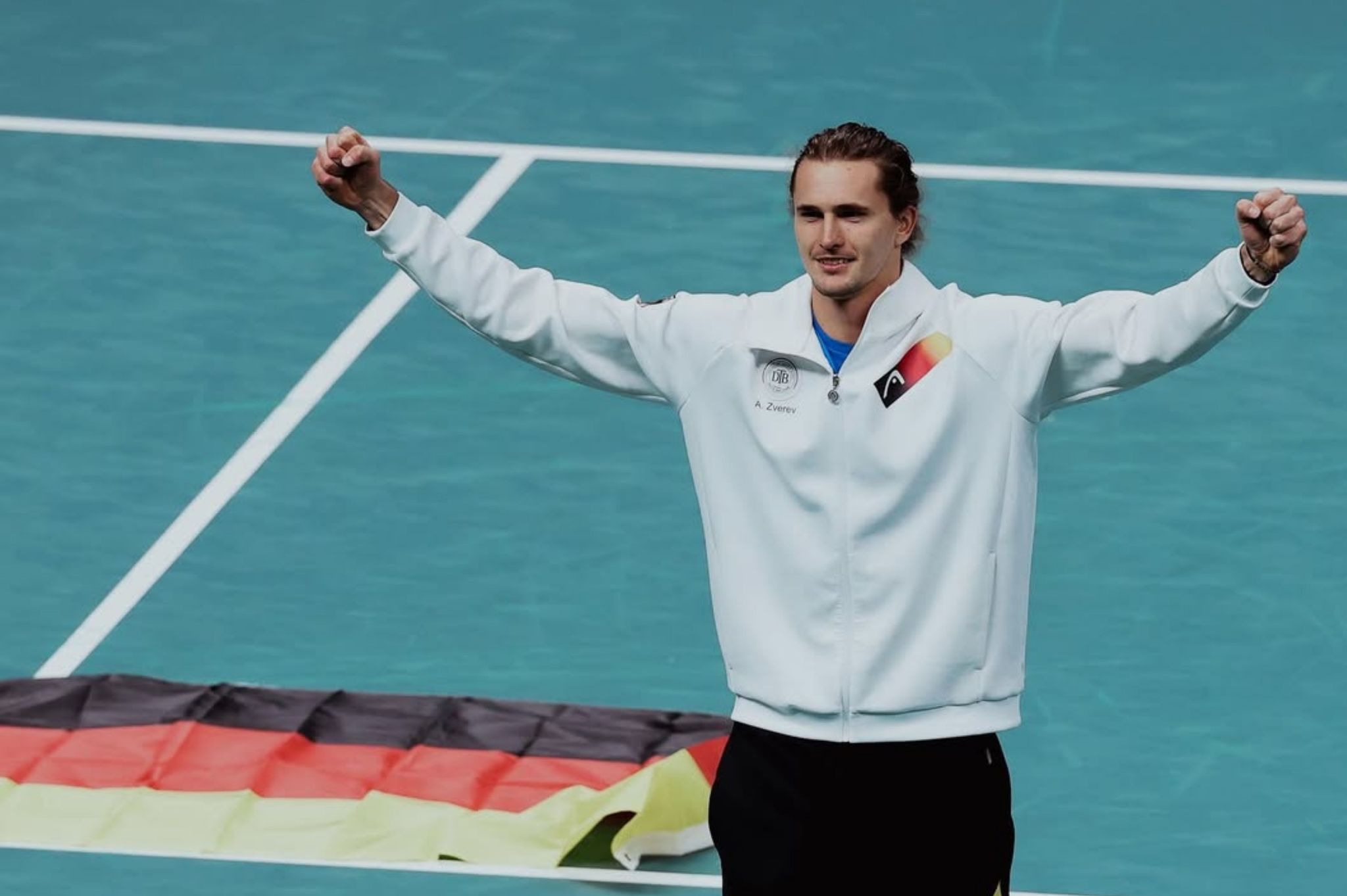
Alexander Zverev is calling his latest ATP title “extra special,” but for those watching the industry, it feels more like an “extra special” PR maneuver. In a highly publicized victory alongside his close friend, Zverev leaned heavily into a narrative of loyalty and shared history, a move that insiders are calling the “Grand Reset.
” While the official reports gush about the purity of the bond between the two players, the “Insider” buzz is far more clinical: this is a strategic attempt to “soften” a player whose brand has become synonymous with friction and legal shadows.
Sources close to the ATP’s marketing arm suggest that the “Best Friend” angle was the primary directive for this tournament’s coverage. By emphasizing Zverev’s capacity for deep, lifelong friendship, the PR machine is attempting to manufacture a “Nice Guy” persona that can survive the harsh light of the upcoming Major season.
The bitter truth is that these “emotional” wins are perfectly timed to coincide with a period where his singles dominance is faltering and his public image is at an all-time low. Is he actually moved by the victory, or is he just following a script designed to make him palatable to sponsors again?
The real tension lies in the transparency of the tactic. Critics are already speculating that the “extra special” label is a desperate shield against the “villain” tag he has carried for years. If the ATP can convince the public that Zverev is a loyal brother and a sentimental champion, they can keep the “Golden Boy” narrative on life support.
But the “Insider” fear is that this sentimentality is a thin veil. As the tour moves forward, the question isn’t about the quality of the tennis—it’s about whether a doubles trophy and a childhood friend are enough to “Prestige-Wash” a legacy of controversy.