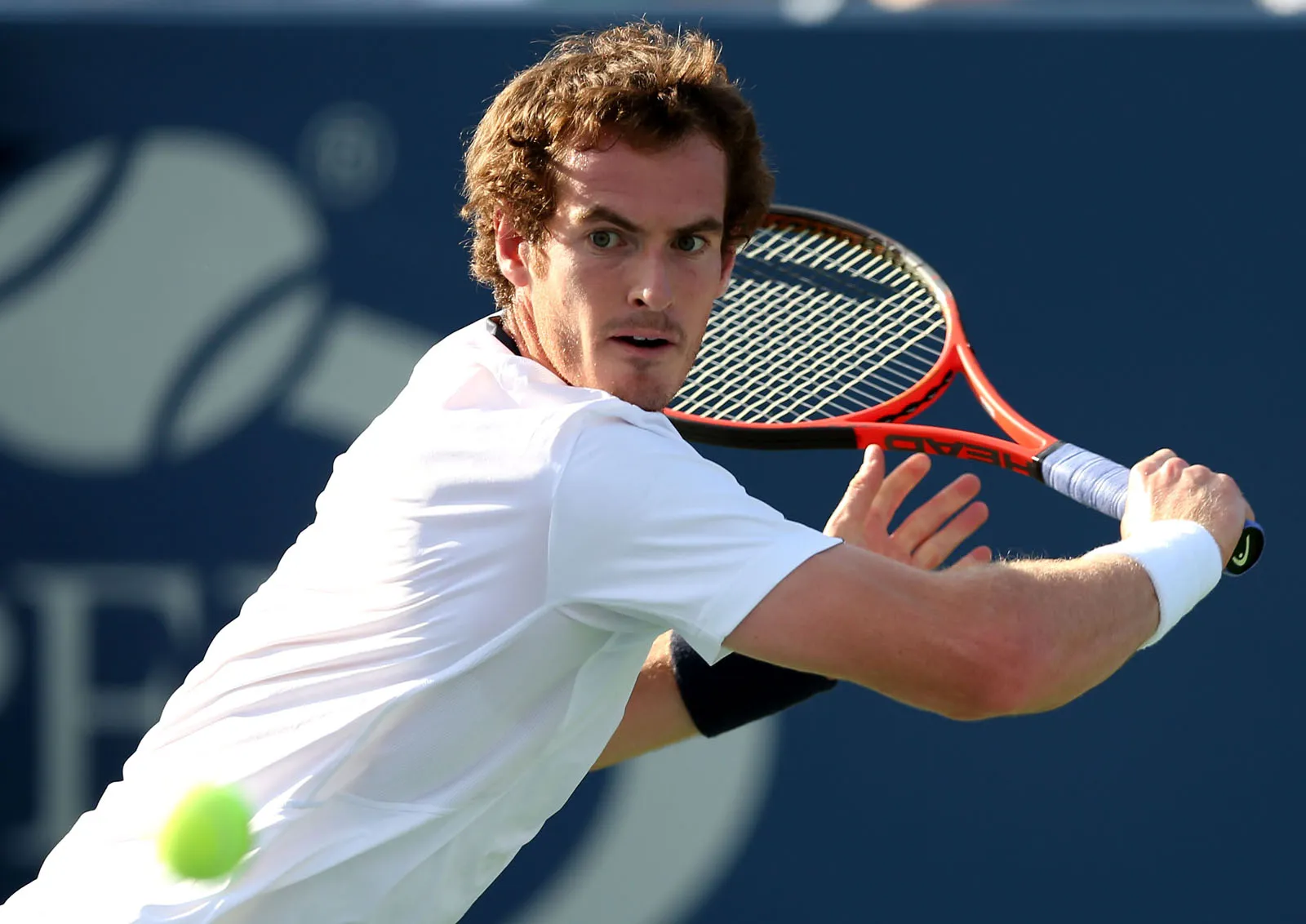
The manicured lawns of Wimbledon and the hard courts of the U.S. Open are about to face a hypothetical autopsy that has the “Gen Z” stars sweating. While current analysts are falling over themselves to crown Jannik Sinner and Carlos Alcaraz as the new gods of the game, a chilling new projection suggests that a prime Andy Murray would have effectively “ended” their reigns before they even started.
Insiders whisper that the modern tour is a psychological vacuum, lacking the “war-zone” intensity that Murray survived during the brutal reign of the Big Three.
Allegedly, the locker room talk is thick with the realization that Murray’s “defensive wall” and legendary return would have turned today’s power-hitters into frustrated, error-prone shadows of themselves. Reports suggest that Murray’s mental “dark arts”—the ability to suffer longer and grind harder—is a missing element in 2026.
Is the current era’s dominance a genuine evolution, or is it simply a case of “when the cat’s away, the mice will play”? Fans are already speculating that Murray would have walked away with at least two more Slams a year in this “soft” climate.
The tension doesn’t stop with the trophies. Critics are sharpening their pens, suggesting that Alcaraz’s “flamboyance” and Sinner’s “clean hitting” would have been ruthlessly dismantled by the Scotsman’s tactical genius.
The “Prime Murray” theory has unmasked a uncomfortable truth: the current stars aren’t playing against legends; they’re playing in a protected bubble. If Murray were at his peak today, the No. 1 ranking wouldn’t be a rotating door—it would be a locked fortress. The question isn’t whether Murray was great; it’s whether today’s stars are actually as “elite” as their PR teams want us to believe.